Introduction to Acupuncture and Moxibustion
Acupuncture and moxibustion are ancient practices deeply rooted in traditional Chinese medicine (TCM), with a rich history spanning thousands of years. The primary concept surrounding both modalities is the regulation of qi, which is often described as the vital energy that circulates throughout the human body. According to TCM, a harmonious flow of qi is essential for maintaining health, while blockages or imbalances can lead to various ailments.
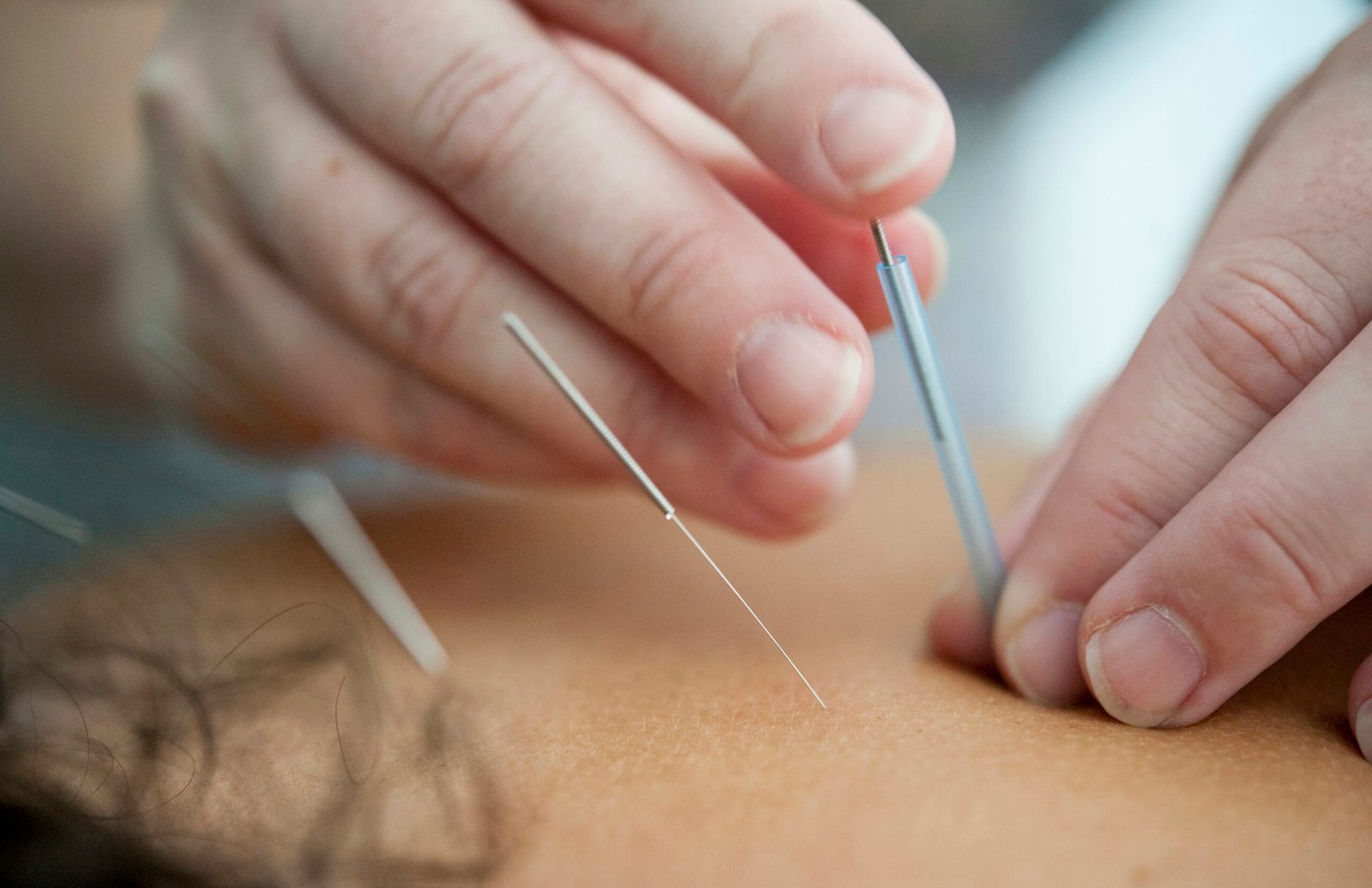
Historically, acupuncture involves the insertion of fine needles into specific points on the body, known as acupoints, to stimulate the flow of qi and restore balance. This technique is believed to promote healing by targeting the underlying causes of health issues rather than merely alleviating symptoms. The practice of acupuncture can be traced back to ancient China, where it was initially developed as a means to treat a wide range of conditions.
Moxibustion complements acupuncture and involves the burning of the herb mugwort (moxa) near or on acupuncture points. This technique is primarily used to warm areas of the body and invigorate the flow of qi, thereby enhancing the overall effectiveness of acupuncture treatments. Like acupuncture, moxibustion has a longstanding history, and it is often utilized for its therapeutic benefits, including pain relief and improved well-being.
In contemporary society, acupuncture and moxibustion have gained widespread recognition and acceptance as viable complementary therapies. They are increasingly integrated into holistic healthcare systems and utilized by practitioners around the world. The relevance of these ancient techniques is underscored by ongoing research that investigates their mechanisms of action and efficacy. As such, acupuncture and moxibustion serve as remarkable examples of how ancient wisdom can inform modern healing practices for numerous physical and emotional ailments.
The Theory of Meridians and Qi
The concept of meridians is fundamental to both acupuncture and moxibustion, representing a sophisticated network through which vital energy, known as qi, circulates within the body. These meridians function as pathways that connect internal organs to external body tissues, ensuring a harmonious flow of qi and blood. This intricate system not only facilitates the physiological processes essential for life but also plays a crucial role in maintaining balance between the body and mind.
In traditional Chinese medicine, the human body is seen as a microcosm of the universe, where both physical and energetic systems are interdependent. The meridians can be classified into twelve primary channels that are associated with various organs, such as the liver, heart, and lungs. These meridians serve not only as conduits for qi but also hold significant importance in diagnosing ailments based on the pathway disturbances. The conception of qi as a life-sustaining force affects every aspect of health. It flows through the meridians, nourishing organs and tissues, while also contributing to emotional and mental well-being.
When the flow of qi is obstructed or imbalanced, it may lead to various health issues. Techniques such as acupuncture and moxibustion aim to restore this balance by stimulating specific points along the meridians. Acupuncture involves the insertion of fine needles into designated points, while moxibustion uses the burning of mugwort to promote healing. Both practices are designed to enhance the flow of qi and improve blood circulation, thereby bolstering the body’s self-healing capabilities.
Understanding the theory of meridians and qi provides insight into how these ancient practices can effectively address modern health challenges by fostering a comprehensive approach to well-being.
Acupoints: The Key to Treatment
Acupoints, also known as acupuncture points, are specific locations on the body where needles are inserted during an acupuncture session. These points are situated along energy pathways called meridians, which are believed to be essential to the flow of qi, or vital energy, in traditional Chinese medicine. The selection and stimulation of these acupoints are vital components of acupuncture therapy, as they are chosen based on an individual’s distinct health needs and conditions.
Practitioners determine which acupoints to target by conducting a comprehensive assessment of the patient’s physical health, emotional state, and lifestyle factors. This personalized approach ensures that the treatment addresses the underlying issues rather than merely alleviating symptoms. For example, the acupoint LI4, located on the hand, is often used to relieve headaches, while ST36, found on the lower leg, is commonly applied to boost energy levels and enhance digestion.
Moreover, each acupoint has specific therapeutic effects that can influence different organ systems and bodily functions. For instance, the acupoint SP6 is utilized for its ability to regulate menstrual and reproductive health, making it beneficial for women experiencing related issues. Similarly, the acupoint PC6 promotes emotional well-being and is frequently used to alleviate anxiety and nausea.
In addition to addressing particular health concerns, acupoints can also foster overall wellness by restoring the balance of yin and yang energies within the body. This balance is crucial for maintaining health and preventing disease. By understanding the significance of acupoints, patients can appreciate how targeted acupuncture treatments can facilitate healing and promote optimal health.
The Acupuncture Process: What to Expect
Undergoing an acupuncture session involves several well-defined steps designed to ensure the best possible experience for the patient. Initially, a thorough consultation is conducted by the practitioner, which may include a review of medical history, lifestyle factors, and specific ailments. This comprehensive assessment helps to develop a tailored treatment plan that is specific to the individual’s needs.
Once the treatment plan is established, the next phase involves the preparation process. The patient is typically asked to lie down comfortably, often in a calming environment that promotes relaxation. The acupuncturist will usually select strategic acupuncture points based on the diagnosis and intended outcomes.
During the needle insertion phase, the practitioner employs ultra-fine needles that are designed to be minimally invasive. These needles are inserted into the designated acupuncture points, and patients might experience a mild sensation of pressure, tingling, or warmth. It is crucial to note that the sensations vary among individuals; some may feel a momentary discomfort, while others may feel completely at ease. The needles generally remain in place for about 20 to 40 minutes, allowing the body to respond to the stimulation.
The manipulation of the needles may also occur during the session. Practitioners can gently stimulate the needles by twisting or wiggling them, which can enhance the therapeutic effect during the treatment. After the needles have been removed, patients may experience a feeling of relaxation or increased energy, influenced by the treatment.
As part of the aftercare, practitioners often provide guidance on what to expect following the session. Patients are encouraged to hydrate adequately and rest as needed. Understanding the acupuncture process, including the preparation, needle insertion, and aftercare, can help alleviate apprehensions and contribute to a more rewarding experience.
Understanding Moxibustion and Its Applications
Moxibustion is a traditional Chinese medicine practice that involves the burning of moxa, a dried herb derived from the mugwort plant, to facilitate healing and promote wellbeing. This ancient technique is frequently used in conjunction with acupuncture, serving to enhance the effects of acupuncture treatments. The primary purpose of moxibustion is to warm specific acupuncture points on the body, which can help expel coldness and dampness, conditions traditionally considered detrimental to health according to Chinese medical theory.
The most common form of moxibustion involves the use of moxa sticks. These sticks are typically dried and rolled into a cylindrical shape, which can then be lit, allowing the heat produced by the burning moxa to be directed towards targeted areas of the body. This warming effect can significantly increase blood circulation in the treated areas, thereby alleviating pain, stress, and muscle tension.
There are two primary techniques of moxibustion: direct and indirect. In direct moxibustion, small cones of moxa are placed directly on the skin and ignited, creating localized warmth. This method requires careful monitoring to prevent burns. On the other hand, indirect moxibustion involves positioning a moxa stick a short distance from the skin or uses an intermediary substance to prevent skin contact. This approach is often preferred for its safety and comfort.
Overall, moxibustion plays a vital role in promoting a harmonious balance within the body, effectively supporting the body’s innate healing abilities. It is especially beneficial for those experiencing chronic pain, digestive issues, or immune deficiencies. By incorporating moxibustion with acupuncture, practitioners aim to offer a holistic approach to health that embodies the traditional wisdom of ancient healing practices, adapted for contemporary needs.
The Role of Electro-Acupuncture
Electro-acupuncture is an innovative adaptation of traditional acupuncture techniques, integrating electrical stimulation into the therapeutic model. This technique involves applying a small electrical current to acupuncture needles that are inserted into specific points on the body. The introduction of electrical stimulation is intended to enhance the therapeutic effects of acupuncture, offering a more dynamic approach to pain relief and various health conditions.
Research indicates that electro-acupuncture may provide a more effective means of modulating neural activity and boosting the release of endorphins compared to standard needle acupuncture. This method is particularly beneficial in managing chronic pain by targeting pain pathways with precise electrical impulses, promoting deeper tissue relaxation and increased blood flow. As a result, electro-acupuncture is frequently employed for conditions such as arthritis, fibromyalgia, and migraines.
Electro-acupuncture has garnered attention for its appeal in managing conditions resistant to conventional treatments. For instance, it can serve as an adjunct therapy in rehabilitation settings, especially when addressing muscle spasms or aiding in stroke recovery. Additionally, it has been observed to enhance treatment outcomes in mental health disorders by improving mood and reducing anxiety levels.
However, despite its advantages, practitioners must consider certain factors while utilizing electro-acupuncture. Patients who have certain medical conditions, such as heart disease or those with specific implanted devices like pacemakers, should exercise caution. Furthermore, as with any therapeutic intervention, individualized treatment plans are essential to ensure optimal safety and efficacy for each patient.
In conclusion, electro-acupuncture represents a significant evolution in the field of acupuncture, merging ancient wisdom with modern technology to enhance healing practices. Its applications continue to expand as practitioners and researchers explore the vast potential benefits that this innovative approach holds.
Potential Benefits and Misconceptions
Acupuncture and moxibustion are ancient practices rooted in Traditional Chinese Medicine (TCM), offering potential benefits for a variety of health conditions. Research suggests that these methodologies can be effective in alleviating chronic pain, reducing stress, enhancing immune system function, and even improving mental health issues such as anxiety and depression. This holistic approach not only targets physical ailments but also addresses emotional and psychological well-being, allowing for comprehensive healing.
One of the prevalent misconceptions surrounding acupuncture is the belief that it should be considered only as a last resort treatment. Many individuals assume that these techniques are appropriate only when conventional therapies have failed. In reality, acupuncture can be beneficial when used alongside traditional treatments and may even help mitigate side effects or enhance overall efficacy. Early intervention with acupuncture can enhance one’s overall health and prevent the escalation of chronic conditions, thus advocating for its use as a complementary strategy rather than a last-minute option.
Additionally, some people may hesitate to pursue acupuncture and moxibustion due to concerns about the procedures themselves. Misunderstandings about pain or the safety of needles can dissuade prospective patients. It is crucial to note that when performed by certified practitioners, acupuncture is generally regarded as safe and minimally invasive. The needles used are hair-thin and sterilized to prevent any risk of infection. Education on these practices can help demystify them and encourage more individuals to explore their benefits.
Ultimately, a proper diagnosis by a qualified practitioner is essential to tailor the treatment to individual needs. Understanding the specific health issues at play can significantly enhance the effectiveness of acupuncture and moxibustion, ensuring a more personalized and beneficial healing experience.
Professional Standards and Patient Considerations
When considering acupuncture treatment, patients should be well-informed about certain professional standards and personal considerations that ensure safety and effectiveness. One crucial aspect is the use of sterilized needles. Acupuncturists must adhere to strict hygiene protocols to prevent any risk of infection. The use of single-use, pre-sterilized needles is strongly recommended by regulatory bodies. Patients should confirm with their practitioners that such practices are in place to minimize health risks associated with the treatment.
Moreover, the qualifications of the acupuncturist play a significant role in the overall efficacy and safety of the treatment. Practitioners should hold relevant certifications and licensure, which vary from region to region. Potential patients are encouraged to inquire about their practitioner’s educational background, experience, and any specialized training they may possess. A well-qualified practitioner not only enhances the likelihood of a positive outcome but also reassures patients regarding their safety during the acupuncture process.
Another important factor is the open line of communication between the patient and the acupuncturist. Before starting treatment, it is advisable for patients to discuss their health history, any medications currently being taken, and their specific treatment goals. This dialogue enables the practitioner to tailor the acupuncture treatment effectively. Additionally, patients should feel comfortable voicing any concerns or preferences regarding the procedure. Transparency about expectations allows for a more customized and satisfactory experience. By taking these considerations into account, individuals can feel more at ease and informed about their choice to pursue acupuncture as a complementary healing modality.
The Future of Acupuncture in Modern Medicine
As we navigate through the landscape of contemporary healthcare, acupuncture and moxibustion are increasingly regarded as valuable components within integrative medicine. These ancient healing practices, rooted in traditional Chinese medicine, are gaining traction in Western medical settings, demonstrating their potential to complement conventional treatment modalities. Clinical studies and patient testimonials alike underscore the effectiveness of acupuncture in managing a variety of conditions, including chronic pain, anxiety, and stress-related disorders.
The integration of acupuncture into hospitals, rehabilitation centers, and pain management programs illustrates a shift toward a more holistic approach to health. Such integration allows healthcare professionals to offer a multifaceted treatment plan that addresses not only physical symptoms but also the emotional and psychological dimensions of patient well-being. As patients seek alternatives to pharmaceuticals, acupuncture serves as a non-invasive option that is both adaptable and effective, further enhancing its role within modern medicine.
Moreover, the increasing prevalence of mindfulness and wellness programs highlights a societal movement towards preventative care. In this context, acupuncture and moxibustion are emerging as proactive strategies for maintaining health and preventing illness, aligning with current healthcare trends that prioritize patient-centered approaches. This potential shift signifies not only a return to ancient wisdom but also a forward-thinking embrace of diverse therapeutic frameworks.
In light of these developments, the future of acupuncture within modern medicine appears promising. Continued research and clinical validation will likely bolster its acceptance amongst healthcare providers and patients alike. Ultimately, as more individuals recognize the benefits of these ancient practices, acupuncture may solidify its position as a staple in the multidimensional field of health and wellness.